
Email authentication is essential for delivery success because it verifies your identity as a legitimate sender to email providers. Without proper authentication through SPF, DKIM, and DMARC protocols, your emails are more likely to be filtered as spam or rejected entirely. These security measures protect both senders and recipients from email spoofing and fraud while ensuring your messages reach their intended destination.
What is email authentication and why does it matter for delivery?
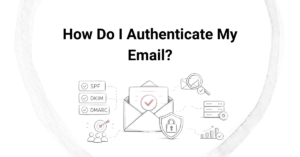
Email authentication is a set of technical protocols that verify the legitimacy of email senders and protect against spoofing attacks. The three primary authentication methods are SPF (Sender Policy Framework), DKIM (DomainKeys Identified Mail), and DMARC (Domain-based Message Authentication, Reporting & Conformance). These protocols work together to establish sender credibility with internet service providers.
Authentication matters because email providers use these signals to determine whether your messages deserve inbox placement. When emails lack proper authentication, they trigger spam filters and security systems designed to protect recipients from fraudulent messages. This directly impacts your delivery rates and sender reputation.
Modern email security has evolved beyond simple content filtering. Internet service providers now require authenticated emails to maintain high delivery standards. Businesses that ignore authentication protocols often experience declining inbox placement rates, regardless of their content quality or subscriber engagement levels.
How do SPF, DKIM, and DMARC work together to improve deliverability?
SPF, DKIM, and DMARC create a comprehensive authentication framework that validates different aspects of your email sending. SPF verifies that emails come from authorized IP addresses, DKIM ensures message content hasn’t been tampered with during transit, and DMARC provides policy instructions for handling authentication failures.
SPF records list which mail servers are permitted to send emails on behalf of your domain. When an email arrives, the receiving server checks whether it originated from an approved IP address. This prevents unauthorized servers from sending emails using your domain name.
DKIM adds a digital signature to your emails using cryptographic keys. The receiving server verifies this signature against your public key published in DNS records. This confirms the message content is authentic and unchanged since sending.
DMARC builds upon SPF and DKIM by telling receiving servers what to do when authentication checks fail. It can instruct servers to quarantine suspicious emails, reject them entirely, or deliver them normally while sending reports back to you about authentication results.
What happens when emails aren’t properly authenticated?
Unauthenticated emails face significantly higher spam filtering rates and potential delivery failures. Internet service providers treat missing or misconfigured authentication as a red flag, often routing these messages to spam folders or blocking them entirely. This directly impacts your email marketing effectiveness and business communication.
Poor authentication damages your sender reputation over time. Email providers track authentication compliance as part of their trust algorithms. Domains with consistent authentication failures develop negative reputations that affect all future email delivery, even after authentication is properly implemented.
Security vulnerabilities increase when authentication is absent. Cybercriminals can more easily spoof your domain for phishing attacks, potentially damaging your brand reputation and customer trust. Recipients may receive fraudulent emails appearing to come from your organization.
Business communication suffers when important emails fail to reach recipients. Customer service messages, transactional confirmations, and marketing campaigns lose effectiveness when authentication problems cause delivery issues. This can result in lost revenue and customer satisfaction problems.
How do you implement email authentication for maximum delivery success?
Implementing email authentication requires configuring DNS records for your sending domain and ensuring your email service provider supports these protocols. Start with SPF by creating a TXT record that lists all authorized IP addresses and mail servers that send emails for your domain.
Configure DKIM by generating cryptographic keys through your email service provider and publishing the public key in your DNS records. Most professional email platforms provide step-by-step guidance for DKIM setup, including the specific DNS entries required.
Set up DMARC after SPF and DKIM are working correctly. Begin with a monitoring policy (p=none) to collect authentication reports without affecting email delivery. This helps you identify any legitimate emails that might fail authentication before implementing stricter policies.
Regular monitoring ensures your authentication remains effective. Check DMARC reports to identify authentication failures and adjust your configuration as needed. Many email deliverability agencies offer comprehensive deliverability services that include authentication monitoring and optimization.
Test your authentication setup using online validation tools and monitor your sender reputation metrics. Gradually move to stricter DMARC policies (quarantine or reject) once you’re confident all legitimate emails pass authentication checks.
Why do some authenticated emails still end up in spam folders?
Authentication is just one factor in email delivery decisions. Even properly authenticated emails can be filtered as spam due to poor content quality, low engagement rates, or sender reputation issues. Internet service providers use complex algorithms that consider multiple signals beyond authentication status.
Content quality significantly influences delivery outcomes. Emails with excessive promotional language, suspicious links, or poor formatting may trigger spam filters regardless of authentication status. Recipient engagement patterns also matter, as providers track whether people open, click, or delete your emails.
Sender reputation encompasses more than authentication compliance. Factors like complaint rates, bounce rates, sending frequency, and list quality all contribute to how providers view your emails. A damaged reputation takes time to rebuild even with perfect authentication.
List hygiene problems can override authentication benefits. Sending to inactive addresses, purchased lists, or recipients who haven’t engaged recently signals poor sending practices to email providers. This can result in spam folder placement despite proper technical setup.
Different email providers use varying filtering criteria and algorithms. An email that reaches the inbox at one provider might be filtered at another based on their specific security policies and user protection measures.
How Email Industries helps with email authentication and delivery optimization
We provide comprehensive email authentication services and deliverability consulting to help businesses achieve optimal inbox placement. Our team handles the technical complexities of SPF, DKIM, and DMARC implementation while monitoring ongoing performance to maintain authentication effectiveness.
Our services include:
- Complete authentication protocol setup and configuration
- DMARC policy management and gradual implementation
- Ongoing monitoring and authentication failure analysis
- Sender reputation management and improvement strategies
- Integration with our Alfred email verification tool for comprehensive threat detection
Through expert consulting and innovative tools, we help businesses maintain strong authentication while addressing the broader factors that influence email deliverability. Our approach ensures your messages reach recipient inboxes consistently and securely. For professional authentication support and deliverability optimization, contact our team today.
Related Articles
- What happens to emails that fail DMARC authentication checks?
- What is BIMI and how does it work in email?
- Should you implement BIMI if you already have DMARC?
- What is an SPF record and what is it used for?
- How does SPF work in emails?
- How do email advertising agencies handle creative development?
- What documentation do full service agencies require during setup?
- Can you migrate email platforms without damaging your sender reputation?
- What is the difference between a managed and self-service email platform migration?
- Should you warm up a new IP before migrating your email program?
- How do agencies calculate email marketing revenue?
- Can you prevent future blacklisting after removal?
- How do deliverability experts fix sender reputation issues?
- What are the warning signs your email delivery needs expert attention?
- What services do email deliverability agencies provide?