Email marketing automation setup involves configuring software to send targeted messages automatically based on subscriber actions, behaviours, or predetermined schedules. This process includes selecting the right platform, creating workflows, setting triggers, and designing email sequences that nurture leads and engage customers without manual intervention. Proper setup transforms scattered email efforts into systematic campaigns that drive consistent results.
What is email marketing automation and why does it matter for businesses?
Email marketing automation is a system that sends personalised emails to subscribers based on specific triggers, actions, or time intervals without manual intervention. It combines technology with strategic messaging to deliver relevant content at optimal moments throughout the customer journey.
The core benefits extend far beyond simple time savings. Automation enables personalisation at scale, allowing businesses to send tailored messages to thousands of subscribers simultaneously. This personalisation dramatically improves engagement rates compared to generic broadcast emails.
Automated workflows enhance customer engagement by delivering timely, relevant content when subscribers are most receptive. Welcome sequences greet new subscribers immediately, abandoned cart emails recover lost sales, and post-purchase follow-ups build lasting relationships. This systematic approach generates more revenue than manual email sending because it maintains consistent communication and captures opportunities that would otherwise be missed.
For businesses operating as an email marketing services agency, automation capabilities become essential for managing multiple client campaigns efficiently while maintaining high-quality, personalised communication across all accounts.
How do you choose the right email automation platform for your needs?
Selecting an email automation platform requires evaluating workflow builders, segmentation capabilities, integration options, pricing models, and scalability features that align with your business size and industry requirements.
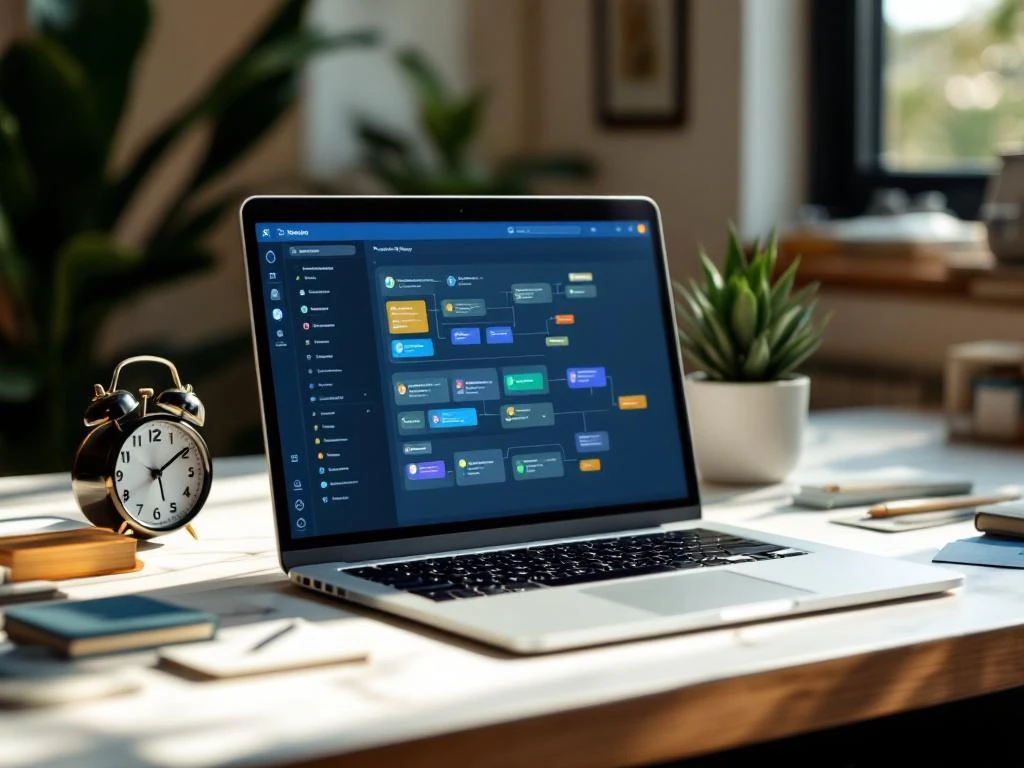
The workflow builder serves as the foundation of your automation efforts. Look for platforms offering visual drag-and-drop interfaces that make creating complex sequences intuitive. Advanced platforms provide conditional logic, allowing emails to branch based on subscriber actions or characteristics.
Segmentation capabilities determine how precisely you can target different audience groups. Effective platforms enable segmentation based on demographics, behaviour, purchase history, and engagement levels. This granular targeting improves campaign performance significantly.
Integration options affect how well the platform connects with your existing tools. Essential integrations include customer relationship management systems, e-commerce platforms, social media tools, and analytics software. Seamless data flow between systems creates more comprehensive automation possibilities.
Pricing models vary considerably between platforms. Some charge based on subscriber count, others on email volume, and premium platforms may use feature-based pricing. Consider your growth projections and budget constraints when evaluating long-term costs.
Scalability considerations become crucial as your business grows. Platforms should accommodate increasing subscriber numbers, more complex workflows, and additional team members without performance degradation or prohibitive cost increases.
What are the essential automated email workflows every business should set up?
Every business should implement five fundamental automated workflows: welcome series, abandoned cart recovery, post-purchase follow-ups, re-engagement campaigns, and lead nurturing sequences. These workflows address critical touchpoints in the customer journey and generate consistent results.
Welcome series workflows introduce new subscribers to your brand, set expectations, and provide immediate value. Typically consisting of 3–5 emails sent over the first week, these sequences establish the foundation for long-term relationships. They should include brand introductions, valuable resources, and clear next steps.
Abandoned cart recovery workflows target customers who added items to their cart but did not complete the purchase. These sequences typically include three emails: an immediate reminder, a follow-up with additional incentives, and a final urgency-driven message. Timing is crucial, with the sequence starting within hours of abandonment.
Post-purchase follow-up workflows nurture customers after they buy, encouraging repeat purchases and building loyalty. These sequences might include order confirmations, shipping updates, product education, and requests for reviews or referrals.
Re-engagement campaigns target inactive subscribers who have not opened or clicked emails recently. These workflows attempt to rekindle interest through special offers, content updates, or preference centres before considering list removal.
Lead nurturing workflows guide prospects through the sales funnel by providing valuable content, addressing objections, and building trust over time. These sequences are particularly important for businesses with longer sales cycles or higher-value products.
How do you create effective email automation workflows from scratch?
Creating effective automation workflows involves defining clear triggers and goals, mapping customer journeys, writing compelling content, setting appropriate timing intervals, and thoroughly testing before launch. This systematic approach ensures workflows achieve their intended objectives.
Begin by defining specific triggers that initiate the workflow and establishing measurable goals for success. Triggers might include form submissions, purchase completions, or specific website behaviours. Goals should be specific, such as increasing conversion rates by a certain percentage or improving customer retention.
Map the customer journey to understand subscriber needs and motivations at each stage. Consider what information they require, what concerns they might have, and what actions you want them to take. This mapping informs content strategy and sequence structure.
Write compelling email content that addresses subscriber needs while advancing them towards your goals. Each email should provide value independently while contributing to the overall sequence objective. Subject lines, body content, and calls to action must work together cohesively.
Set timing intervals based on your audience behaviour and industry norms. B2B sequences typically require longer intervals than B2C campaigns. Monitor engagement patterns to optimise timing for maximum impact.
Test workflows thoroughly before launching to live audiences. Send test emails to yourself and team members, verify all links function correctly, and ensure the sequence logic works as intended. Consider running small-scale tests with limited audiences before full deployment.
What are the biggest mistakes to avoid when setting up email automation?
The most common automation mistakes include over-automation, poor segmentation, generic messaging, inadequate testing, neglecting mobile optimisation, and failing to monitor performance metrics. Avoiding these pitfalls significantly improves campaign effectiveness and subscriber satisfaction.
Over-automation occurs when businesses automate too many touchpoints, creating impersonal experiences that frustrate subscribers. Balance automation with human interaction, ensuring automated messages feel personal and relevant rather than robotic.
Poor segmentation leads to irrelevant messaging that damages engagement rates and sender reputation. Avoid sending the same automated sequence to your entire list. Instead, create targeted workflows for different audience segments based on their interests, behaviours, and characteristics.
Generic messaging fails to resonate with recipients and wastes automation potential. Personalise content beyond just including names in subject lines. Reference specific actions, preferences, or purchase history to create truly relevant communications.
Inadequate testing results in broken workflows, non-functioning links, and poor user experiences. Test every aspect of your automation, including email rendering across different devices and email clients, link functionality, and sequence logic.
Neglecting mobile optimisation ignores the fact that most emails are opened on mobile devices. Ensure automated emails display correctly on smartphones and tablets, with readable text, appropriately sized images, and easily clickable buttons.
Failing to monitor performance metrics means missing opportunities for improvement and not identifying problems quickly. Regularly review open rates, click-through rates, conversion rates, and unsubscribe rates to optimise workflow performance. Many businesses operating as an email agency excel by maintaining constant performance monitoring across all client campaigns.
How Email Industries helps with email automation setup and deliverability optimisation
Email Industries provides comprehensive email automation setup and deliverability optimisation services that ensure your automated campaigns reach inboxes and generate maximum results. We specialise in solving complex deliverability challenges that can undermine even the most sophisticated automation strategies.
Our services include:
- Deliverability consulting that identifies and resolves inbox placement issues affecting automated campaigns
- Email authentication services including SPF, DKIM, and DMARC setup to improve sender reputation
- Alfred email verification tool that validates email addresses and removes threats before they damage your automation performance
- Workflow optimisation guidance that maximises engagement and conversion rates across all automated sequences
- Reputation monitoring that protects your sending domain and maintains consistent inbox delivery
We work alongside your internal team to implement deliverability assurance packages that maintain optimal performance as your automation scales. Our two decades of experience helping top brands solve deliverability challenges ensure your automated emails consistently reach their intended recipients and drive the results your business needs.
Ready to optimise your email automation setup and ensure maximum deliverability? Contact our team to discuss how we can help protect your sender reputation and maximise your automation investment.