
Yes, you can prevent future blacklisting after removal by implementing proper authentication protocols, maintaining good sender reputation practices, and continuously monitoring your email performance. Prevention requires addressing the root causes that led to the initial blacklisting rather than simply getting removed from lists. This comprehensive approach protects your sender reputation and ensures long-term email deliverability success.
What does it mean to prevent future blacklisting after removal?
Preventing future blacklisting means implementing proactive strategies that address the underlying issues causing your domain or IP to be flagged as problematic. Rather than repeatedly seeking removal from blacklists, prevention focuses on maintaining practices that keep you off these lists entirely.
The difference between reactive removal and proactive prevention is significant. Reactive removal involves contacting blacklist operators to remove your domain after being listed, which is time-consuming and damages your reputation. Proactive prevention establishes systems and practices that maintain good standing with internet service providers and email security organizations.
Prevention proves more effective because it builds trust with email providers over time. When you consistently demonstrate good sending practices, authentication protocols, and proper list management, ISPs recognize your domain as trustworthy. This reputation protection saves time, maintains deliverability rates, and protects your business revenue from email marketing disruptions.
Why do email addresses and domains get blacklisted again after removal?
Domains and email addresses get blacklisted again because the underlying problems that caused the initial listing remain unresolved. Simply getting removed from a blacklist without fixing root causes leads to repeated violations and re-listing.
Poor sending practices represent the most common reason for re-blacklisting. These include sending to purchased email lists, ignoring bounce rates, sending too many emails too quickly, or failing to honor unsubscribe requests. Each of these behaviors signals to ISPs that you’re operating like a spammer.
Compromised security creates another pathway to re-blacklisting. When hackers gain access to your email systems, they often send spam or malicious content from your domain. Without proper security measures, these breaches can happen repeatedly, leading to continuous blacklisting cycles.
Inadequate authentication protocols also contribute to repeated listings. Without proper SPF, DKIM, and DMARC implementation, your domain remains vulnerable to spoofing and appears less trustworthy to receiving servers, increasing the likelihood of being flagged again.
How do you maintain good sender reputation after blacklist removal?
Maintaining good sender reputation requires consistent implementation of email best practices and ongoing monitoring of your sending patterns. This involves authentication setup, list hygiene, volume management, and content optimization working together as a comprehensive strategy.
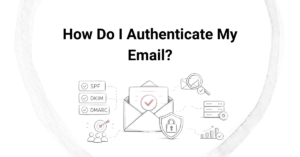
Authentication protocols form the foundation of reputation management. Implement SPF records to specify which servers can send emails from your domain, set up DKIM to cryptographically sign your messages, and configure DMARC to provide instructions for handling authentication failures. These protocols verify your identity to receiving servers.
List hygiene practices keep your sender reputation clean by removing problematic addresses. Regularly clean bounce addresses, respect unsubscribe requests immediately, and remove inactive subscribers who haven’t engaged with your emails for extended periods. This improves your engagement rates and reduces spam complaints.
Sending volume management prevents overwhelming ISPs with sudden traffic spikes. Gradually increase sending volumes, maintain consistent sending schedules, and avoid dramatic changes in email frequency. Professional deliverability assurance packages can help establish proper volume management strategies for your specific situation.
What authentication methods prevent future email blacklisting?
Email authentication methods that prevent blacklisting include SPF, DKIM, and DMARC protocols working together to verify your identity and protect against spoofing. Proper implementation of these standards builds trust with ISPs and significantly reduces blacklisting risk.
SPF (Sender Policy Framework) creates a DNS record listing which IP addresses are authorized to send emails from your domain. When receiving servers check your SPF record and find the sending IP listed, they’re more likely to accept your message. Configure SPF by adding a TXT record to your DNS with all legitimate sending sources.
DKIM (DomainKeys Identified Mail) adds a digital signature to your emails that receiving servers can verify against a public key in your DNS records. This cryptographic proof confirms the message came from your domain and wasn’t altered during transmission. Set up DKIM through your email service provider or mail server configuration.
DMARC (Domain-based Message Authentication, Reporting and Conformance) builds on SPF and DKIM by providing instructions for handling authentication failures. It also sends reports about authentication attempts, helping you monitor for spoofing attempts. Start with a monitoring policy before moving to quarantine or reject policies as your authentication improves.
How do you monitor and detect potential blacklisting before it happens?
Proactive monitoring involves tracking reputation metrics and email performance indicators that signal potential blacklisting threats before they occur. This early warning system allows you to address issues before they escalate to blacklist inclusion.
Reputation tracking tools monitor your domain and IP status across major blacklists and reputation databases. Set up automated alerts when your sending reputation scores drop or when you appear on any monitoring lists. Regular checking of your domain against common blacklists helps identify problems early.
Deliverability testing reveals how different ISPs handle your emails before problems become widespread. Send test emails to seed lists across major providers and monitor delivery rates, spam folder placement, and authentication results. Declining deliverability often precedes blacklisting.
Bounce rate analysis provides crucial insights into list quality and sending practices. Monitor hard bounces, soft bounces, and bounce patterns that might indicate list problems or technical issues. Sudden increases in bounce rates often signal authentication problems or reputation decline.
Early warning signs include declining open rates, increasing spam complaints, authentication failures, and delivery delays. Monitor these metrics regularly and investigate any negative trends immediately to prevent escalation to blacklisting.
How Email Industries helps with blacklist prevention and reputation protection
Email Industries provides comprehensive blacklist prevention through our advanced threat detection and authentication services. Our approach combines proactive monitoring, technical implementation, and ongoing reputation management to keep your emails out of spam folders and off blacklists.
Our services include:
- The Alfred email verification system that identifies risky addresses before they damage your reputation
- Blackbox threat detection technology that spots potential problems before they escalate
- Complete authentication setup and management for SPF, DKIM, and DMARC protocols
- Continuous monitoring and early warning systems for reputation threats
- Expert consultation on sender reputation best practices and recovery strategies
As a leading email deliverability agency, we help businesses maintain clean sender reputations and prevent costly blacklisting incidents. Our two decades of experience protecting top brands means we understand the complexities of email deliverability and can implement solutions that work. Contact our team today to discuss how we can protect your email reputation and ensure your messages reach their intended recipients.
Related Articles
- How do you fix DMARC failures without breaking email delivery?
- What is a DMARC policy and how does it work?
- How does SPF work with third-party email sending services?
- How do email advertising agencies handle creative development?
- How does email platform migration affect your IP reputation?
- How do you know when your email platform migration is complete?
- How do you recover a domain reputation after poor warmup?
- How do you monitor deliverability during an IP warming campaign?
- What email marketing tools do ecommerce agencies use for online stores?
- How do email deliverability agencies stay updated on algorithm changes?
- What happens when email delivery fails without professional help?
- What delivery benchmarks separate good from poor performance?
- How do email delivery agencies handle crisis situations?
- What is the process for deliverability audits?
- Can an email agency improve your sender reputation?