
Email delivery agencies handle crisis situations through structured emergency protocols that prioritise immediate threat assessment, stakeholder communication, and rapid technical intervention. Professional email deliverability agencies maintain 24/7 monitoring systems and established relationships with internet service providers to resolve critical issues swiftly. Their crisis management approach combines proactive prevention strategies with reactive emergency response procedures to minimise business impact during email delivery emergencies.
What exactly is an email delivery crisis and how do you recognise one?
An email delivery crisis occurs when your email campaigns experience sudden, significant disruptions that threaten business revenue and customer communication. Unlike minor fluctuations in performance metrics, these situations require immediate professional intervention to prevent lasting damage to sender reputation and customer relationships.
Warning signs of genuine email delivery crises include delivery rates dropping below 85% within 24–48 hours, bounce rates exceeding 5%, or emails consistently landing in spam folders rather than inboxes. You might also notice blacklist notifications, authentication failures, or complete blocks from major email providers like Gmail or Outlook.
The key difference between temporary issues and genuine crises lies in severity and duration. Temporary problems typically resolve within hours and affect limited segments of your audience. True crises persist beyond 48 hours, impact large portions of your subscriber base, and show worsening trends rather than natural recovery patterns.
Email advertising agencies distinguish crises from routine issues by monitoring multiple indicators simultaneously. They track sender reputation scores, inbox placement rates across different providers, and engagement patterns to identify when intervention becomes critical for protecting long-term deliverability.
How do email delivery agencies respond when crisis situations emerge?
Email deliverability agencies follow structured emergency protocols that begin with immediate threat assessment and stakeholder notification. The response process typically starts within minutes of crisis detection, with agencies prioritising communication to affected clients whilst simultaneously launching technical diagnostics.
The emergency response sequence includes several critical steps. Agencies immediately assess the scope and severity of the delivery problems, identifying which email service providers and recipient domains are affected. They then notify key stakeholders about the situation and expected resolution timeline whilst beginning technical analysis of authentication records, sender reputation, and content filtering issues.
Coordination with email service providers and internet service providers becomes crucial during crisis resolution. Professional agencies maintain established relationships with major providers, enabling faster communication and resolution paths. They submit delisting requests, provide reputation restoration documentation, and negotiate emergency authentication updates when necessary.
Emergency mitigation strategies often include temporarily switching to backup IP addresses, implementing content modifications, or routing emails through alternative sending infrastructure. Agencies may also recommend pausing certain campaign types whilst maintaining critical transactional communications to protect sender reputation during recovery.
What are the most common causes of email delivery emergencies?
Sender reputation damage represents the most frequent cause of email delivery crises, often triggered by sudden spikes in spam complaints, bounce rates, or engagement drops. These reputation issues can cascade rapidly across multiple email providers, creating widespread delivery problems within hours.
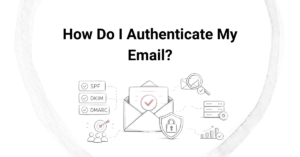
Authentication failures create immediate delivery crises when DKIM, SPF, or DMARC records become misconfigured or expire. Email providers increasingly reject messages that fail authentication checks, making these technical issues critical for maintaining inbox placement across all major platforms.
Content filtering problems arise when email campaigns trigger spam detection algorithms through suspicious language, formatting, or embedded elements. These issues can affect entire campaigns or specific message types, requiring immediate content analysis and modification to restore normal delivery rates.
IP address blacklisting occurs when sending infrastructure is flagged by reputation monitoring services or email providers. This can happen due to compromised security, shared IP reputation issues, or sudden volume changes that trigger automated blocking systems.
Compliance violations, particularly regarding data protection regulations or anti-spam laws, can trigger immediate delivery restrictions. Email providers may suspend accounts or block messages when they detect potential regulatory violations in sending practices or list management procedures.
How quickly can email delivery issues be resolved during a crisis?
Crisis resolution timelines vary significantly based on the underlying cause and severity of delivery problems. Simple authentication fixes might be resolved within 2–4 hours, whilst complex reputation recovery can require 7–14 days of sustained remediation efforts and monitoring.
Emergency resolution processes prioritise immediate threat containment over comprehensive fixes. Agencies focus on stopping further reputation damage and restoring basic delivery functionality before implementing long-term solutions. This approach often achieves partial recovery within 24–48 hours for most crisis types.
Factors influencing recovery speed include the extent of reputation damage, the number of affected email providers, the complexity of authentication issues, and the level of cooperation from internet service providers. Blacklist removals typically take 24–72 hours, whilst rebuilding sender reputation can extend over several weeks.
Businesses should expect graduated recovery rather than immediate restoration to pre-crisis performance levels. Email deliverability agencies often implement phased sending approaches, gradually increasing volume whilst monitoring performance indicators to ensure sustainable recovery without triggering additional problems.
What preventive measures do agencies implement to avoid email crises?
Professional email deliverability agencies deploy comprehensive monitoring systems that track reputation metrics, authentication status, and delivery performance across multiple email providers. These systems provide early warning alerts before minor issues escalate into full crises, enabling proactive intervention.
Reputation management protocols include regular sender score monitoring, engagement rate analysis, and spam complaint tracking. Agencies establish baseline performance metrics and automated alerts when key indicators deviate from normal ranges, allowing for immediate investigation and correction.
Authentication setup and maintenance form critical prevention strategies, with agencies regularly auditing DKIM, SPF, and DMARC records for accuracy and alignment. They implement redundant authentication systems and monitor for configuration changes that could compromise message delivery.
List hygiene practices involve the systematic removal of inactive subscribers, bounce management, and engagement-based segmentation. These procedures help maintain a healthy sender reputation by ensuring messages reach genuinely interested recipients who are likely to engage positively.
Compliance frameworks address regulatory requirements and industry best practices for permission-based marketing, data protection, and unsubscribe handling. Agencies implement systematic processes to ensure ongoing compliance with evolving regulations and email provider policies.
How Email Industries helps with email delivery crisis management
Email Industries provides comprehensive crisis management services through our emergency response protocols and advanced threat detection systems. Our team maintains 24/7 monitoring capabilities and established relationships with major email providers to ensure rapid crisis resolution for our clients.
Our crisis management approach includes:
- Immediate threat assessment and stakeholder communication within 30 minutes of detection
- Alfred threat detection system for proactive identification of delivery risks before they escalate
- Emergency authentication and infrastructure support to restore delivery quickly
- Direct coordination with email service providers through established professional relationships
- Comprehensive reputation recovery strategies tailored to specific crisis types
- Ongoing monitoring and prevention through our deliverability assurance packages
Our expert consultation services combine technical expertise with strategic guidance to help businesses recover from email delivery crises whilst implementing robust prevention measures. We work closely with internal teams to ensure sustainable email performance and protection against future disruptions. If you’re experiencing email delivery challenges or want to establish proactive crisis prevention measures, contact our team for immediate assistance and consultation.
Related Articles
- How do you set up a DMARC policy for your domain?
- What is a DMARC policy and how does it work?
- What should my DMARC policy be?
- What is included in a full service email marketing strategy?
- Why do emails go to spam after migrating to a new platform?
- What should you do before migrating to a new email service provider?
- What is the difference between a warm IP and a cold IP?
- How do you recover from a failed IP warming attempt?
- Can you run IP warming on a shared IP address?
- How long does it take to see results from an email marketing services agency?
- How do agencies handle domain reputation management?
- What bounce rate indicates delivery problems?
- Why do businesses need specialized email delivery services?
- What tools do professional email agencies use?
- How do you choose the best email advertising agency?