
Email delivery agencies manage international email regulations through comprehensive compliance frameworks that address GDPR, CAN-SPAM, CASL, and other regional requirements. They implement jurisdiction mapping, authentication protocols, and consent management systems to ensure emails meet legal standards across different countries. This requires ongoing monitoring and adaptation as regulations evolve worldwide.
What are international email regulations and why do they matter?
International email regulations are legal frameworks that govern commercial email communications across different countries and regions. Major regulations include GDPR (European Union), CAN-SPAM (United States), CASL (Canada), Australia’s Spam Act, and Japan’s Act on Specified Commercial Transactions. These laws establish requirements for consent, unsubscribe mechanisms, sender identification, and data protection.
Compliance matters because violations can result in substantial penalties. GDPR fines can reach up to 4% of annual global revenue, while CAN-SPAM violations carry penalties of up to $46,517 per email. Beyond financial consequences, non-compliance damages sender reputation, reduces deliverability rates, and can lead to blacklisting by internet service providers.
These regulations also protect consumers from unwanted communications while ensuring that legitimate businesses can reach their audiences effectively. Email advertising agencies must navigate these requirements to maintain the success of their clients’ campaigns and protect their own operations from legal exposure.
How do email delivery agencies stay compliant across different countries?
Email deliverability agencies maintain compliance through systematic approaches that map regulatory requirements by jurisdiction. They implement multi-layered compliance strategies, including consent management systems, authentication protocols, and continuous monitoring processes. This ensures emails meet legal standards regardless of where recipients are located.
Jurisdiction mapping involves identifying which regulations apply based on sender location, recipient location, and where email infrastructure operates. Agencies maintain detailed databases of requirements for each region, including consent mechanisms, mandatory disclosures, and unsubscribe processes. They also implement technical measures such as proper SPF, DKIM, and DMARC authentication.
Ongoing monitoring includes regular audits of email practices, subscriber consent records, and deliverability metrics. Email deliverability agencies track regulatory changes and update compliance procedures accordingly. They also provide training for client teams and maintain documentation to demonstrate compliance efforts during potential investigations.
What’s the difference between GDPR, CAN-SPAM, and other major email laws?
GDPR requires explicit consent before sending marketing emails and gives recipients extensive rights over their personal data. CAN-SPAM allows commercial emails without prior consent but requires clear sender identification and easy unsubscribe options. CASL sits between these approaches, generally requiring consent but with some exceptions for existing business relationships.
Geographic scope varies significantly. GDPR applies to any organization processing EU residents’ data, regardless of where the sender is located. CAN-SPAM governs emails sent from or to the United States. CASL covers emails sent to Canadian recipients, while Australia’s Spam Act applies to emails with an Australian connection.
Penalty structures differ substantially. GDPR fines can reach 4% of global annual revenue. CAN-SPAM violations carry penalties of up to $46,517 per email. CASL fines can reach CAD $10 million for organizations. These variations require email agencies to implement the most restrictive requirements when sending to multiple jurisdictions simultaneously.
How do you ensure email authentication works internationally?
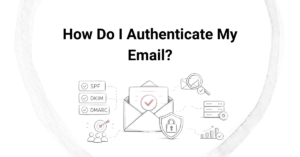
International email authentication requires properly configured SPF, DKIM, and DMARC records that work consistently across global email infrastructure. DNS configuration must account for different regional internet service providers and their authentication requirements. This involves setting up records that validate sender identity regardless of where emails are processed.
Best practices include implementing SPF records that authorize all legitimate sending IP addresses, including those used by international email service providers. DKIM signatures must use sufficient key lengths and proper domain alignment. DMARC policies should start in monitoring mode before enforcing strict authentication requirements.
Cross-border authentication challenges include varying ISP requirements, different spam filtering technologies, and regional differences in how authentication records are processed. Regular monitoring of authentication pass rates across different countries helps identify and resolve issues. Email agencies often work with deliverability assurance packages to maintain consistent authentication performance globally.
What happens when email regulations conflict between countries?
When email regulations conflict between countries, email agencies typically apply the most restrictive requirements to ensure compliance across all jurisdictions. This approach minimizes legal risk while maintaining consistent email practices. Common conflicts involve consent requirements, data retention periods, and mandatory disclosure information.
Practical strategies include implementing opt-in consent globally, even when some jurisdictions allow opt-out approaches. Agencies maintain separate email lists for different regions when necessary and adjust content based on local requirements. They also work with legal advisors to interpret conflicting requirements and develop compliant approaches.
Jurisdictional challenges arise when determining which country’s laws apply to specific email campaigns. Factors include sender location, recipient location, server location, and where the business relationship was established. Email deliverability agencies document their decision-making processes and maintain records to demonstrate good-faith compliance efforts.
How Email Industries helps with international email compliance
Email Industries provides comprehensive solutions for managing international email regulations through expert consulting, advanced authentication services, and continuous compliance monitoring. Our approach combines technical expertise with regulatory knowledge to ensure your email campaigns meet requirements across all target markets.
Our services include:
- Regulatory compliance audits for multi-jurisdiction email campaigns
- Authentication setup and monitoring through our BlackBox technology
- Email address validation and threat detection via Alfred
- Ongoing deliverability consulting and reputation management
- Documentation and reporting for compliance demonstration
We help businesses navigate complex international requirements while maintaining strong deliverability rates and protecting sender reputation. Our two decades of experience serving clients across diverse industries ensure that your email marketing remains compliant and effective globally. Contact our team to discuss how we can support your international email compliance needs.
Related Articles
- What is an SVG logo file and why does BIMI require it?
- What does a DMARC reject policy actually do to emails?
- Why is DMARC policy enforcement important for email deliverability?
- How does DKIM authentication help with inbox placement?
- Can DKIM setup prevent your emails from going to spam?
- What happens if you don't have DMARC?
- Is SPF still relevant for email security?
- What documentation do full service agencies require during setup?
- Should you warm up a new domain before sending bulk email?
- How do ecommerce email agencies increase online sales?
- How do agencies grow subscriber databases?
- How do agencies develop email content strategies?
- Can email marketing services agencies integrate with existing CRM systems?
- What is email blacklist removal and how does it work?
- How do email delivery agencies handle crisis situations?