
Email deliverability agencies handle high-volume senders through sophisticated reputation management, strategic IP warming, and comprehensive monitoring systems. They implement multi-layered authentication protocols, segment sending across IP pools, and maintain real-time deliverability tracking to protect sender reputation at scale. These specialized agencies provide the expertise and infrastructure necessary to navigate complex ISP requirements and maintain optimal inbox placement for enterprise-level email operations.
What unique challenges do high-volume email senders face with deliverability?
High-volume email senders encounter reputation management complexity across multiple domains and IP addresses, where a single deliverability issue can cascade across their entire sending infrastructure. ISP throttling becomes more aggressive at scale, authentication requirements multiply, and maintaining consistent sender reputation becomes increasingly difficult as volume grows.
The primary challenge lies in managing reputation across numerous sending domains and IP addresses simultaneously. When organizations send millions of emails monthly, ISPs scrutinize every aspect of their sending behavior more closely. A reputation issue on one IP can affect the entire pool, while authentication failures on a single subdomain can impact deliverability across all sending infrastructure.
ISP throttling presents another significant obstacle for bulk senders. Major email providers implement strict rate limiting that can severely restrict delivery speeds for high-volume senders. Gmail might accept only 100 emails per hour from a new IP, while Yahoo implements similar restrictions that can throttle legitimate business communications.
Authentication complexity multiplies at scale because high-volume senders typically use multiple subdomains, IP pools, and sending platforms. Each requires proper SPF, DKIM, and DMARC configuration, creating a web of authentication records that must work harmoniously. A misconfigured authentication record on any subdomain can trigger deliverability issues across the entire sending infrastructure.
How do agencies monitor and maintain sender reputation for bulk email campaigns?
Email deliverability agencies implement comprehensive monitoring systems that track sender reputation across multiple ISPs in real time, manage feedback loops proactively, and deploy automated alert systems to prevent reputation degradation before it impacts inbox placement rates.
Real-time deliverability tracking forms the foundation of reputation management for bulk senders. Agencies monitor key metrics including inbox placement rates, spam folder placement, and bounce rates across major ISPs hourly. They track reputation scores from services like Return Path and Microsoft SNDS, providing early warning systems when reputation begins declining.
Feedback loop management becomes critical at high volumes because ISPs process complaints differently for bulk senders. Agencies configure feedback loops with major providers including Gmail, Yahoo, and Outlook, automatically processing complaint data to identify problematic content or sending practices. They implement automated suppression systems that remove complainers immediately to prevent further reputation damage.
Proactive reputation protection involves monitoring blacklist status across hundreds of reputation databases, tracking authentication failures, and identifying deliverability trends before they become critical issues. Agencies maintain relationships with ISP representatives, enabling faster resolution of reputation issues and access to whitelist programs that benefit high-volume senders.
What authentication protocols are essential for high-volume email delivery?
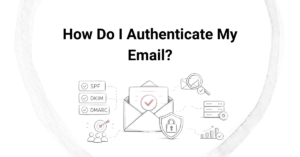
High-volume email delivery requires comprehensive authentication implementation including SPF, DKIM, and DMARC across all sending domains and subdomains, with advanced subdomain policies and careful coordination across multiple IP pools to maintain authentication integrity at scale.
SPF configuration for bulk senders involves managing complex include statements across multiple sending platforms and IP ranges. Agencies implement SPF records that accommodate various sending sources while maintaining the 10 DNS lookup limit. They often use SPF flattening techniques to reduce lookup counts and implement monitoring to detect SPF failures that could impact deliverability.
DKIM implementation becomes more sophisticated for high-volume senders because they typically use multiple sending platforms and subdomains. Agencies configure unique DKIM keys for each subdomain and sending source, implementing key rotation schedules to maintain security. They monitor DKIM signature validation rates and implement fallback mechanisms when signature failures occur.
DMARC policies for bulk senders require careful configuration to balance security with deliverability. Agencies implement gradual DMARC deployment, starting with monitoring policies before moving to quarantine or reject. They configure subdomain policies appropriately and maintain detailed DMARC reporting and analysis to identify authentication issues across the entire sending infrastructure.
How do agencies handle IP warming and segmentation for large email volumes?
Agencies implement structured IP warming programs that gradually increase sending volumes over 4–6 weeks while building positive engagement metrics, combined with strategic IP pool segmentation that isolates different email types and recipient segments to optimize deliverability performance.
IP warming for high-volume senders follows carefully planned schedules that begin with sending to highly engaged subscribers only. Agencies start with 50–100 emails per day per IP, gradually increasing volume based on deliverability metrics and ISP acceptance rates. They monitor bounce rates, spam complaints, and inbox placement throughout the warming process, adjusting volume increases based on performance data.
Reputation building during IP warming focuses on achieving high engagement rates through careful recipient selection and content optimization. Agencies send to recent subscribers and highly engaged segments first, avoiding older or less engaged portions of email lists until IP reputation is established. They track open rates, click rates, and engagement metrics to demonstrate positive sending patterns to ISPs.
IP pool management involves segmenting different email types across dedicated IP addresses to prevent reputation contamination. Agencies typically separate transactional emails, promotional campaigns, and automated sequences across different IP pools. This segmentation protects critical transactional delivery when promotional campaigns experience deliverability issues.
Strategic segmentation extends beyond IP allocation to include recipient segmentation based on engagement levels, acquisition sources, and demographic factors. Agencies implement sophisticated deliverability assurance packages that optimize sending strategies for different subscriber segments, ensuring maximum inbox placement across diverse recipient groups.
How Email Industries helps with high-volume email deliverability management
Email Industries provides comprehensive solutions specifically designed for enterprise-level email operations through our advanced technology stack and expert consulting services. Our approach combines cutting-edge threat detection with strategic deliverability management to protect and optimize high-volume sending infrastructure.
Our solutions for high-volume senders include:
- Alfred’s advanced threat detection – Comprehensive email address validation and threat identification powered by Blackbox technology
- Blackbox risk-scoring technology – Industry-leading risk assessment that helps maintain sender reputation across large subscriber bases
- Expert consulting services – Strategic guidance on IP warming, authentication implementation, and reputation management
- Comprehensive monitoring systems – Real-time deliverability tracking and proactive reputation protection
- Authentication optimization – Complete SPF, DKIM, and DMARC implementation and management across multiple domains
With over two decades of experience serving top brands and recent integration into the Global Email Alliance, we provide the expertise and technology infrastructure necessary to maintain optimal deliverability at enterprise scale. Contact our team to discuss how we can protect and optimize your high-volume email operations.
Related Articles
- How do you fix DMARC failures without breaking email delivery?
- Can DKIM setup prevent your emails from going to spam?
- How does DKIM signing work in email authentication?
- Is DMARC mandatory now?
- Should you migrate your entire email list at once or in segments?
- What are the biggest mistakes made during domain warmup?
- How do you migrate to a new email platform without losing deliverability?
- Can a poorly warmed domain damage your sender reputation?
- How do you choose the right list segments for IP warming?
- What A/B testing methods do email agencies use?
- What email design services do agencies offer?
- How do agencies ensure CAN-SPAM compliance?
- What metrics do deliverability agencies use to measure success?
- How quickly can agencies restore damaged sender reputation?
- Why do businesses need specialized email delivery services?