Ecommerce email automation sends targeted messages to customers based on their actions, behaviours, or specific triggers, without manual intervention. This technology helps online stores deliver personalised experiences at scale, increasing sales and customer retention. Understanding the different types of automated emails and how to implement them effectively can transform your ecommerce marketing strategy.
What is ecommerce email automation and how does it work?
Ecommerce email automation is a marketing technology that sends personalised emails to customers automatically based on predetermined triggers, behaviours, or timelines. Unlike manual email campaigns, automated systems respond instantly to customer actions such as purchases, cart abandonment, or website browsing patterns.
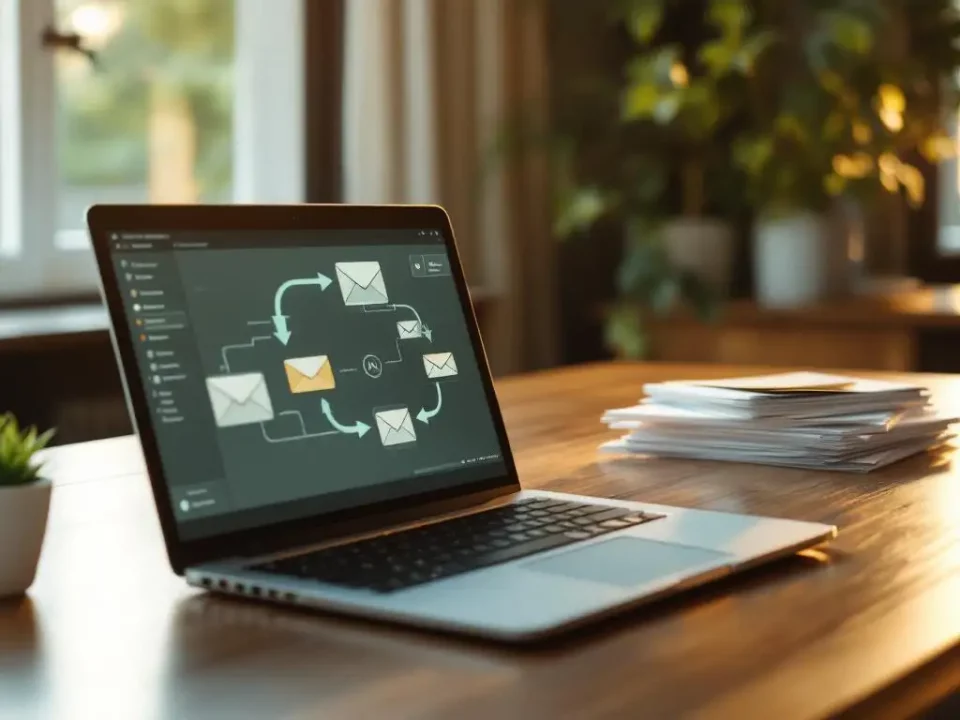
The system works through automated workflows that monitor customer behaviour and trigger specific email sequences. When a customer performs an action like adding items to their cart or making a purchase, the automation platform immediately sends relevant emails without requiring manual intervention. These triggers can include time-based events (such as a welcome series), behavioural actions (such as browsing specific products), or milestone moments (such as birthdays or anniversaries).
Manual email marketing requires constant attention and precise timing, whilst automation runs continuously in the background. The system uses customer data to personalise content, timing, and frequency, creating a more relevant experience for each recipient. This approach ensures consistent communication whilst freeing up time for strategic planning and creative development.
What types of automated emails should ecommerce businesses send?
Welcome series emails introduce new subscribers to your brand and set expectations for future communications. These typically include a warm greeting, your brand story, and exclusive offers to encourage first purchases.
Abandoned cart emails recover potentially lost sales by reminding customers about items left in their shopping basket. These messages often include product images, limited-time discounts, or customer reviews to encourage customers to complete their purchase.
Post-purchase sequences nurture customers after they buy, including order confirmations, shipping updates, delivery notifications, and follow-up requests for reviews. These emails build trust and encourage repeat purchases through excellent customer service.
Re-engagement campaigns target inactive subscribers who haven’t opened emails or made purchases recently. These messages typically offer special incentives, highlight new products, or simply ask whether customers want to continue receiving communications.
Customer lifecycle emails celebrate important moments like birthdays, anniversaries, or loyalty milestones. Browse abandonment emails target visitors who viewed products without purchasing, whilst replenishment reminders help customers reorder consumable items at optimal times.
How do you set up email automation for an online store?
Setting up ecommerce email automation begins with selecting a platform that integrates seamlessly with your online store and offers the automation features you need. Popular options include dedicated email marketing platforms that connect directly with ecommerce systems through APIs or built-in integrations.
Configure your triggers by identifying key customer actions that should prompt automated responses. Common triggers include newsletter sign-ups, first purchases, cart abandonment, and specific browsing behaviours. Each trigger should connect to a relevant email sequence that provides value to the customer.
Create your email sequences by writing compelling subject lines, designing mobile-friendly templates, and crafting personalised content for each automation type. Include dynamic content that pulls in customer names, product information, and purchase history to make messages feel individually crafted.
Test your automations thoroughly before launching by creating test accounts and performing the actions that trigger your sequences. Check that emails send at appropriate intervals, display correctly across devices, and include working links and accurate product information.
Integration with your ecommerce platform ensures customer data flows seamlessly between systems. This connection enables real-time triggering, accurate product recommendations, and comprehensive tracking of automation performance metrics.
What are the biggest benefits of automating ecommerce emails?
Time savings represent the most immediate benefit of email automation, eliminating the need to manually send routine communications. Once configured, automated systems handle customer interactions 24/7, allowing you to focus on strategy and creative development rather than repetitive tasks.
Improved customer experience results from timely, relevant communications that respond to individual behaviours. Customers receive helpful information exactly when they need it, creating a more personalised shopping journey that builds loyalty and trust.
Increased revenue opportunities emerge from consistent follow-up and targeted messaging. Abandoned cart emails alone can recover significant lost sales, whilst cross-selling and upselling automations introduce customers to complementary products they might not have discovered otherwise.
Better personalisation at scale becomes possible through automated systems that use customer data to customise content, timing, and product recommendations. This level of individualisation would be impossible to achieve manually for large customer bases.
Enhanced customer retention rates improve when automation maintains regular, valuable contact with customers. Consistent communication keeps your brand top of mind and encourages repeat purchases through relevant offers and helpful content. For businesses seeking comprehensive email performance optimisation, deliverability assurance packages can help ensure automated messages consistently reach customer inboxes.
How Email Industries enhances ecommerce email automation success
We provide specialised deliverability expertise and advanced email verification tools that maximise the effectiveness of your automated ecommerce campaigns. Our comprehensive approach ensures your carefully crafted automated emails reach your customers’ inboxes rather than being filtered into spam folders.
Our services specifically support ecommerce email automation through:
- Alfred email verification tool – Validates email addresses in real time to prevent automated campaigns from sending to invalid or risky addresses
- Deliverability consulting – Optimises your automation setup for maximum inbox placement across all major email providers
- Authentication services – Implements proper email authentication to build sender reputation and improve automated email delivery
- Performance monitoring – Tracks delivery rates and identifies issues that could impact your automated campaign effectiveness
As an ecommerce email marketing agency with over two decades of experience, we understand the unique challenges of automated email delivery at scale. Whether you’re implementing abandoned cart sequences or complex customer lifecycle campaigns, our expertise ensures your automation investments deliver maximum returns through reliable inbox placement and enhanced customer engagement. Contact our team to discover how we can optimise your ecommerce email automation performance.
Related Articles
- Why are so many domains still running DMARC at none in 2026?
- How does SPF work with third-party email sending services?
- How does SPF protect your email sender reputation?
- How do email advertising agencies handle campaign budgets?
- How often do full service agencies review and update strategies?
- What are the biggest mistakes made during domain warmup?
- What is a dedicated IP address and why does it need warming?
- Why do emails land in spam during IP warming?
- How do agencies calculate email marketing revenue?
- Can email marketing services agencies integrate with existing CRM systems?
- What happens when email delivery fails without professional help?
- How do deliverability agencies differ from ESP support teams?
- How do email delivery agencies handle crisis situations?
- How do agencies remove domains from spam blacklists?
- What are the warning signs your email delivery needs expert attention?