Sending email from a new IP address is one of the most technically sensitive moments in any email program. Whether you’re launching a new domain, switching email service providers, or scaling up your sending volume, the way you introduce that IP address to the world’s mailbox providers can make or break your deliverability for months to come. That’s where IP warming comes in.
Understanding how IP warming works—and why it matters so much—gives you a real edge when building or rebuilding your email infrastructure. This guide walks through every key question around IP warming strategy so you can approach the process with confidence.
What is IP warming in email deliverability?
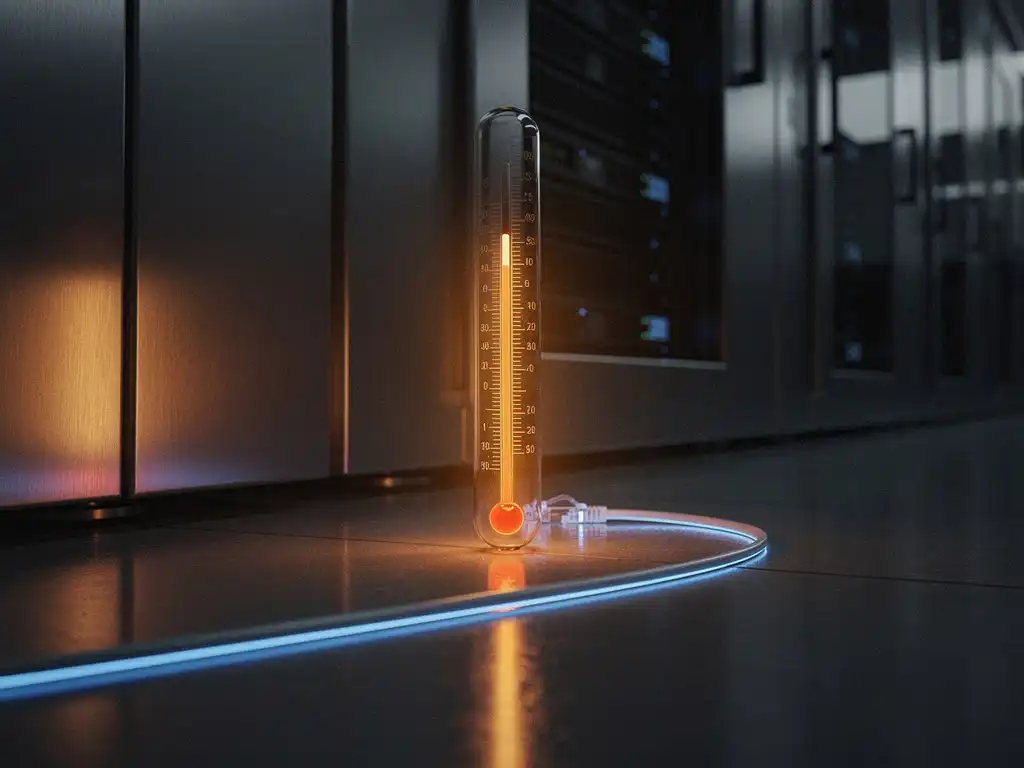
IP warming is the gradual process of building a positive sending reputation for a new or dormant IP address by slowly increasing email volume over time. Rather than sending large quantities immediately, senders start small and scale up systematically, giving mailbox providers like Gmail, Outlook, and Yahoo time to observe consistent, trustworthy sending behavior before processing high volumes.
When an IP address has no sending history, mailbox providers treat it with caution. They have no data to confirm whether the sender follows best practices, maintains clean lists, or generates genuine engagement. IP warming creates that track record deliberately and methodically, allowing the IP to earn trust rather than assume it.
The concept applies to both new IP addresses and previously active IPs that have been idle for an extended period. A dormant IP loses its reputation over time, so reintroducing it to mailbox providers requires the same careful approach as starting from scratch.
Why does IP warming matter for inbox placement?
IP warming matters for inbox placement because mailbox providers use IP reputation as a primary signal when deciding whether to deliver email to the inbox, route it to spam, or reject it entirely. A cold IP with no history is a risk factor in their filtering systems, and high-volume sends from an unestablished address can trigger spam filters almost immediately.
The stakes are high. Sending too much too fast from a new IP can result in blocks, deferrals, or spam folder placement that damages your sender reputation before you’ve had a chance to establish one. Once a reputation is damaged, recovering it takes significantly longer than building it correctly from the start.
Beyond avoiding negative outcomes, a well-executed IP warming strategy actively improves your long-term inbox placement rates. Mailbox providers reward consistent, engaged sending behavior. By warming properly, you demonstrate exactly that, and the inbox placement benefits compound over time as your reputation strengthens.
How does the IP warming process actually work?
The IP warming process works by starting with a low daily sending volume and increasing it incrementally over several weeks, while closely monitoring engagement metrics and deliverability signals at each stage. The goal is to send to your most engaged subscribers first, generating strong open and click rates that signal to mailbox providers that recipients want your mail.
Starting with your best audience
The first step is segmenting your list to identify your most active subscribers—those who have opened or clicked recently. These contacts are most likely to engage positively, which sends the right signals to inbox providers during the critical early phase of warming. Avoid sending to inactive or unverified contacts during this period.
Scaling volume gradually
Volume typically starts in the hundreds or low thousands per day and doubles or increases by a set multiplier every few days, depending on how well each stage performs. If you see rising bounce rates, spam complaints, or deferrals, pause and investigate before continuing. The process is responsive, not just mechanical.
Monitoring deliverability signals
Throughout the warming process, you should track bounce rates, spam complaint rates, inbox placement rates across major providers, and deferral messages. These signals tell you whether mailbox providers are accepting your mail comfortably or pushing back. Tools like seed testing and feedback loop monitoring are essential here.
What’s the difference between shared and dedicated IP warming?
The key difference is that dedicated IP warming requires you to build reputation entirely from scratch on an IP that belongs solely to your sending program, while shared IP warming means you’re sending from an address used by multiple senders, where existing reputation can partially support your early deliverability.
With a dedicated IP, you have full control and full responsibility. Your sending behavior is the only factor shaping the IP’s reputation, which is ideal for high-volume senders who want that control. But it also means the warming process is entirely on you, and volume requirements matter more since mailbox providers need enough data to form a judgment.
With a shared IP, you benefit from the existing reputation of other senders in that pool, which can smooth out early deliverability. The tradeoff is that poor behavior from other senders on the same IP can affect your results. Shared IPs are often better suited to lower-volume senders who don’t yet generate enough email to sustain a dedicated IP’s reputation independently.
Choosing between the two depends on your sending volume, your tolerance for shared risk, and your long-term email infrastructure goals. Many senders using email migrations and warmups as part of a platform switch will need to evaluate this decision carefully before starting.
What mistakes cause IP warming to fail?
IP warming fails most often when senders move too fast, send to low-quality lists, or ignore early warning signs in their deliverability data. Each of these mistakes compounds the others, creating a reputation problem that can take months to reverse.
- Sending too much volume too soon: Jumping to high volumes before mailbox providers have had time to evaluate your sending behavior triggers spam filters and can result in blocks that are difficult to lift.
- Using unverified or stale lists: Sending to addresses that bounce, or to contacts who haven’t engaged in years, generates the exact signals that label you as a low-quality sender.
- Ignoring spam complaint rates: Even a small percentage of recipients marking your email as spam during the warming phase can derail your reputation before it forms.
- Skipping authentication setup: Warming an IP without proper SPF, DKIM, and DMARC authentication in place means mailbox providers have additional reasons to distrust your mail from the start.
- Not monitoring results between stages: Treating warming as a set-and-forget schedule rather than an active monitoring process means problems escalate before you notice them.
How long does IP warming take to complete?
IP warming typically takes between four and eight weeks to complete, though the exact timeline depends on your sending volume, list quality, and how consistently mailbox providers respond positively at each stage. High-volume senders with large, engaged lists can sometimes complete the process faster, while senders with smaller or less active lists may need more time.
A realistic warming schedule for a dedicated IP might look like starting with a few hundred emails per day in week one, reaching the low thousands by week two, and doubling or more every few days as long as metrics remain healthy. By weeks six to eight, many senders are approaching or at their target sending volume.
It’s worth resisting the temptation to rush. Compressing the timeline to save a few weeks often results in deliverability setbacks that cost far more time to fix than the warming process itself would have taken. Patience during this phase pays dividends in long-term inbox placement performance.
How Email Industries helps with IP warming strategy
We work with senders at every stage of the IP warming process, from initial infrastructure setup through to full-volume sending. Whether you’re migrating to a new platform, launching a new sending domain, or recovering from a reputation issue, our team brings hands-on expertise to make the process as smooth as possible.
Here’s what we bring to an IP warming engagement:
- Customized warming schedules based on your actual list size, engagement data, and sending infrastructure
- Authentication audits to ensure SPF, DKIM, and DMARC are correctly configured before warming begins
- List quality assessment and segmentation guidance to identify your best audiences for early-stage sends
- Real-time deliverability monitoring throughout the warming process, with proactive adjustments when issues arise
- Expert troubleshooting if blocklisting, deferrals, or complaint rate spikes occur during the warm-up
IP warming is one of those areas where doing it right from the start saves significant time, revenue, and frustration down the line. If you’re planning a migration, launching a new IP, or just want to make sure your current warming approach is on track, we’d love to help. Feel free to explore our migrations and warmups services or reach out directly to talk through your specific situation.
Related Articles
- Should you use DKIM if you already have SPF configured?
- What is DMARC alignment and why does it matter?
- Can you migrate email platforms without damaging your sender reputation?
- How does migrating email platforms affect your ESP reputation history?
- What is the difference between a managed and self-service email platform migration?
- What are transactional emails for ecommerce?
- What is an ecommerce email marketing agency?
- What is ecommerce email automation?
- What is email marketing ROI measurement?
- What KPIs do email marketing agencies monitor?
- How do agencies create email workflows?
- How do agencies coordinate with existing IT departments?
- What is the difference between deliverability agencies and marketing automation consultants?
- How do agencies handle domain reputation management?
- How do email advertising agencies create effective campaigns?