
Switching email service providers is one of the most technically demanding moves a marketing team can make. While the focus often falls on migrating templates, lists, and automations, one critical factor gets overlooked far too often: your domain reputation. Understanding why domain reputation is important during an email migration can be the difference between a smooth transition and a deliverability crisis that takes months to recover from.
This guide answers the most common questions marketers ask about domain reputation and email migration, so you can approach your next switch with confidence and a clear plan.
What is domain reputation in email marketing?
Domain reputation is a score that inbox providers like Gmail, Outlook, and Yahoo assign to your sending domain based on your email-sending history and recipient engagement. It reflects how trustworthy your domain appears as a sender, and it directly influences whether your emails land in the inbox or the spam folder.
Unlike IP reputation, which is tied to the server you send from, domain reputation travels with your domain wherever you go. It is built over time through consistent sending behavior, strong authentication, high engagement rates, and low spam complaint rates. Inbox providers track signals like how often recipients open your emails, whether they mark messages as spam, and whether your authentication records are properly configured. A strong domain reputation signals that you are a legitimate sender whose emails recipients want to receive.
Why does domain reputation matter during email migration?
Domain reputation matters during email migration because even a well-established domain can experience significant deliverability disruptions when the sending environment changes. Inbox providers pay close attention to shifts in sending patterns, and a migration introduces multiple changes at once that can trigger spam filters.
When you migrate to a new ESP, you are typically sending from new IP addresses, often with different authentication configurations and different technical infrastructure. Even if your domain reputation is strong, inbox providers need time to observe your sending behavior from this new environment before they fully trust it. Without a careful warmup strategy, you risk your domain being flagged for suspicious activity, which can result in emails being deferred, filtered to spam, or blocked entirely. The revenue impact of a deliverability failure during migration can be substantial, particularly for high-volume senders in eCommerce, SaaS, or finance.
What happens to your domain reputation when you switch ESPs?
Your domain reputation itself does not reset when you switch ESPs, but the sending environment changes in ways that can make inbox providers temporarily treat your domain with more caution. The transition introduces new IP addresses, new sending infrastructure, and sometimes changes to authentication records, all of which can affect how your emails are received.
Here is what typically happens during an ESP switch:
- New IPs need warming: Fresh IP addresses have no sending history, so inbox providers apply extra scrutiny to mail sent from them, even when the domain is well-established.
- Authentication gaps can appear: Misconfigured SPF, DKIM, or DMARC records during migration can cause authentication failures that damage domain reputation quickly.
- Engagement signals shift: If you migrate your list but not your suppression data, you may inadvertently email disengaged or invalid addresses, driving up complaint and bounce rates.
- Sending volume spikes: Launching at full volume immediately after migration looks suspicious to inbox providers and can trigger throttling or filtering.
The good news is that your accumulated domain reputation does not disappear. With a structured Migrations and Warmups plan, you can carry your reputation forward and re-establish trust with inbox providers relatively quickly.
How long does it take to rebuild domain reputation after migration?
Rebuilding or re-establishing domain reputation after an email migration typically takes between two and eight weeks, depending on your sending volume, list quality, and how well you execute your warmup strategy. Senders with large, highly engaged lists tend to recover faster than those with lower engagement or list hygiene issues.
The warmup process involves gradually increasing sending volume from new IPs while monitoring deliverability metrics closely. During this period, inbox providers observe your engagement rates, complaint rates, and authentication consistency before extending full trust to your sending infrastructure. Senders who rush this process by jumping to full volume too quickly often extend their recovery timeline significantly, sometimes by weeks or months. Patience and consistency during the warmup phase are the most reliable ways to shorten the overall recovery period.
How do you protect domain reputation during an email migration?
Protecting your domain reputation during an email migration requires preparation before you send a single email from your new ESP. The most effective approach combines technical setup, list hygiene, and a disciplined warmup strategy.
Set up authentication before you migrate
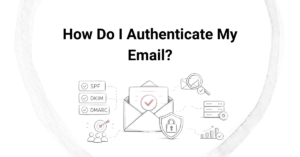
Ensure your SPF, DKIM, and DMARC records are correctly configured for your new ESP before you begin sending. Authentication failures during migration are one of the fastest ways to damage domain reputation. Review your DNS settings carefully and test authentication using available diagnostic tools before going live.
Clean your list before switching
Migration is an ideal time to remove invalid addresses, long-term unengaged contacts, and anyone who has previously complained. Sending to a cleaner list from day one reduces bounce rates and complaint rates, which are the signals inbox providers watch most closely during the early stages of a new sending relationship.
Follow a structured domain warmup plan
Start with your most engaged subscribers and gradually expand to broader segments as your deliverability metrics confirm that inbox providers are responding positively. Ramp up volume incrementally rather than sending to your full list immediately. Monitor bounce rates, spam placement, and complaint rates at every stage and adjust your pace accordingly.
What are the biggest domain reputation mistakes during migration?
The biggest domain reputation mistakes during email migration are skipping the warmup phase, neglecting list hygiene, and failing to verify authentication records before sending. Any one of these errors can set back your deliverability significantly, and combining them can cause lasting damage to your domain reputation.
Other common mistakes include:
- Migrating suppression lists incompletely: Failing to carry over unsubscribes and complaint data means you will re-engage contacts who have already opted out, driving up complaint rates immediately.
- Changing sending domains at the same time: Switching both your ESP and your sending domain simultaneously removes all accumulated reputation and forces a full rebuild from scratch.
- Ignoring engagement segmentation: Sending to your entire list during warmup rather than starting with your most active subscribers puts your reputation at risk before inbox providers have had a chance to build trust.
- Failing to monitor deliverability metrics in real time: Without close monitoring during migration, problems can escalate quickly before anyone notices. Set up inbox placement tracking and review metrics daily during the warmup period.
How Email Industries helps with domain warmup during email migration
At Email Industries, we specialize in guiding organizations through complex email migrations without sacrificing deliverability or domain reputation. Our team has supported migrations for brands across SaaS, eCommerce, healthcare, finance, and agency environments, and we understand exactly where things go wrong and how to prevent it.
Here is how we support your migration from start to finish:
- Pre-migration audit: We review your current authentication setup, list health, and sending history to identify risks before you switch platforms.
- Authentication configuration: We ensure your SPF, DKIM, and DMARC records are correctly set up for your new ESP before a single email goes out.
- Custom domain warmup strategy: We build a tailored warmup plan based on your sending volume, list composition, and engagement data so you ramp up safely.
- List validation with Alfred: Our email verification tool, Alfred, powered by Blackbox technology, identifies invalid, risky, and potentially harmful addresses before migration so your list is clean from day one.
- Ongoing monitoring and support: We track deliverability metrics throughout your warmup period and adjust strategy in real time to protect your inbox placement.
If you are planning an ESP switch and want to protect your domain reputation throughout the process, we are here to help. Learn more about our approach on our Migrations and Warmups page, or reach out directly to discuss your specific situation and get expert guidance tailored to your sending environment.
Related Articles
- How does SPF work with third-party email sending services?
- What is a DMARC aggregate report and what does it tell you?
- How does a full service agency differ from specialized email providers?
- How do email advertising agencies ensure brand consistency?
- What is included in a full service email marketing strategy?
- How does email platform migration affect your IP reputation?
- What authentication records do you need before domain warmup?
- How do you monitor deliverability during an IP warming campaign?
- How do you recover from a failed IP warming attempt?
- What happens if you skip domain warmup?
- What engagement metrics matter most during IP warming?
- How do agencies optimize email conversion rates?
- What KPIs do email marketing agencies monitor?
- How do email deliverability agencies stay updated on algorithm changes?
- How do consultants address spam filter issues?