Switching email platforms is one of the most consequential decisions an email marketing team can make. Done carelessly, it can trigger deliverability problems that take months to recover from. Done thoughtfully, it sets your program up for stronger performance, better scalability, and long-term inbox placement. That is where a phased email platform migration comes in.
Whether you are moving from one ESP to another, upgrading to a more powerful sending infrastructure, or consolidating multiple platforms into one, understanding how to approach the transition strategically can mean the difference between a smooth launch and a costly disruption. Let’s walk through the key questions every email marketer should be asking before, during, and after a migration.
What is a phased email platform migration?
A phased email platform migration is a structured, gradual approach to moving your email program from one sending platform to another. Instead of switching everything over at once, you transition a portion of your email volume at a time—typically starting with your most engaged subscribers and lowest-risk campaigns—and slowly increase the volume as your new infrastructure builds trust with inbox providers.
The “phased” element is critical because it mirrors the IP warmup process. When you send from a new IP address or domain, inbox providers have no historical data to evaluate your sender reputation. By gradually increasing send volume, you give mailbox providers time to observe your engagement patterns and classify you as a legitimate, trustworthy sender. A phased migration is not just a logistical convenience; it is a deliverability strategy built into the transition itself.
Why does a phased email migration matter for deliverability?
A phased email migration matters for deliverability because inbox providers make filtering decisions based on sender reputation, which is tied to your IP address, sending domain, and engagement history. When you migrate to a new platform, that reputation history does not transfer with you. Starting fresh without a warmup plan puts you at serious risk of landing in spam folders or being blocked entirely.
Deliverability is not just a technical concern; it directly affects revenue. If your emails stop reaching the inbox during a migration, your open rates drop, your click-through rates decline, and campaigns that previously performed well suddenly go quiet. A phased approach protects your sender reputation by giving ISPs consistent, positive signals over time rather than a sudden spike in volume from an unknown source.
It also gives your team time to identify and resolve any technical issues, such as authentication misconfigurations or list hygiene problems, before they affect your entire sending program. Think of it as a controlled experiment with a safety net built in.
How does a phased email platform migration work?
A phased email platform migration works by dividing your sending volume into stages and systematically moving traffic to the new platform over a defined period—typically several weeks to a few months, depending on your list size and sending frequency. Each stage increases the volume sent from the new platform while monitoring deliverability metrics closely.
Key stages in a phased migration
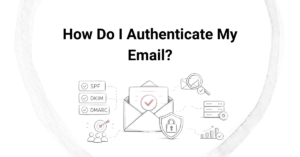
- Preparation: Audit your current list health, clean inactive or invalid addresses, and set up proper authentication on the new platform, including SPF, DKIM, and DMARC records.
- Initial warmup: Begin sending to your most engaged subscribers first. These contacts are most likely to open, click, and signal positive engagement to inbox providers.
- Gradual volume increase: Incrementally expand sending to broader segments, monitoring bounce rates, spam complaints, and open rates at each stage.
- Full transition: Once your new platform has established a solid sender reputation and metrics remain stable, shift your full sending volume over and decommission or pause the old platform.
Throughout the process, maintaining a consistent sending frequency and avoiding sudden volume spikes is essential. Inbox providers respond well to predictability. Erratic behavior, even during a migration, can trigger filters and undo the reputation you have been building.
What’s the difference between a phased migration and a hard cutover?
The key difference between a phased migration and a hard cutover is the speed and risk of the transition. A hard cutover moves your entire email program to the new platform at once, with no warmup period. A phased migration spreads that transition over time, allowing your sender reputation to build gradually on the new infrastructure before you commit your full sending volume.
Hard cutovers can work in very specific situations, such as when you are migrating to a platform that shares the same IP pool or when the volume involved is small enough that inbox providers are unlikely to flag the change. However, for most mid-size to large email programs, a hard cutover is a significant gamble. The sudden shift in sending behavior looks suspicious to ISPs, and without an established reputation on the new platform, deliverability can suffer immediately and severely.
A phased migration takes longer and requires more planning, but it dramatically reduces the risk of inbox placement issues. For high-volume senders or programs where email revenue is material, the extra time invested in a phased approach is almost always worth it.
When should you consider migrating your email platform?
You should consider migrating your email platform when your current solution is limiting your program’s performance, scalability, or compliance capabilities. Common triggers include persistent deliverability problems that your current ESP cannot resolve, a lack of advanced segmentation or automation features, rising costs relative to the value delivered, or a business change such as a merger, acquisition, or rebranding that requires platform consolidation.
Other signals that it may be time to migrate include poor customer support from your current provider, inadequate reporting and analytics, or the inability to integrate with your existing tech stack. Sometimes the platform itself is fine, but the infrastructure—such as shared IP pools with poor-performing senders—is dragging your deliverability down.
The best time to plan a migration is before you are forced into one. Reactive migrations, triggered by a crisis like a major deliverability failure or a sudden platform shutdown, are far more stressful and risky than proactive ones. If you are seeing early warning signs, it is worth exploring your options while you still have the runway to do it carefully.
What are the biggest mistakes to avoid during an email migration?
The biggest mistakes during an email migration include skipping list hygiene before the move, failing to set up proper email authentication, moving too much volume too quickly, and not monitoring deliverability metrics throughout the process. Any one of these errors can set your sender reputation back significantly.
Common migration pitfalls
- Migrating a dirty list: Bringing invalid, inactive, or risky email addresses to your new platform poisons your sender reputation from day one. Clean your list thoroughly before you migrate.
- Skipping authentication setup: SPF, DKIM, and DMARC records must be correctly configured on the new platform before you send a single email. Missing or misconfigured authentication is one of the fastest ways to land in spam.
- Rushing the warmup: Impatience is one of the most common causes of migration failure. Trying to accelerate the warmup beyond what inbox providers are comfortable with leads to throttling and filtering.
- Ignoring engagement data: Not all subscribers are equal during a migration. Sending to your least engaged contacts early in the warmup sends weak signals to ISPs and can hurt your reputation before it has a chance to build.
- No rollback plan: Always maintain the ability to revert to your previous platform if something goes wrong. Cutting off access to your old ESP too early removes your safety net.
A successful migration also requires clear internal communication. Your team needs to know which campaigns are running on which platform at each stage, and someone should own deliverability monitoring throughout the entire transition period.
How Email Industries helps with email platform migration
We have guided email programs of all sizes through complex platform migrations for over two decades. Our team understands that a migration is not just a technical project; it is a deliverability event that requires careful planning, real-time monitoring, and expert judgment at every stage. Here is what we bring to the process:
- Pre-migration list audits using Alfred, our email verification and threat detection tool, to remove invalid, risky, and low-quality addresses before they follow you to your new platform
- Authentication setup and review to ensure SPF, DKIM, and DMARC are correctly configured on your new infrastructure from the start
- Custom warmup planning tailored to your list size, sending frequency, and audience engagement levels
- Ongoing deliverability monitoring throughout each phase of the migration, with expert analysis and rapid response if issues arise
- Strategic guidance on timing, segmentation, and volume pacing to protect your sender reputation throughout the transition
If you are planning a migration or already in the middle of one and running into trouble, explore our Migrations and Warmups services to see how we approach these challenges. We are here to make sure your move to a new platform is a step forward, not a step back. Feel free to contact us to talk through your specific situation.
Related Articles
- How long does it take to fully implement a DMARC policy?
- What is included in a full service email marketing strategy?
- What expertise should a full service email marketing agency have?
- How do you recover a domain reputation after poor warmup?
- Why is domain reputation important during email migration?
- What are transactional emails for ecommerce?
- How do ecommerce email agencies handle cart abandonment campaigns?
- How do agencies track email campaign performance?
- How do agencies grow subscriber databases?
- How do you evaluate email marketing agency performance?
- How do deliverability agencies approach IP warming strategies?
- What is the difference between deliverability agencies and marketing automation consultants?
- What is email infrastructure consulting used for?
- What delivery benchmarks separate good from poor performance?
- How do delivery agencies handle international email regulations?