
Sender reputation management is the practice of monitoring and maintaining your email sending reputation to ensure consistent inbox delivery. Internet Service Providers (ISPs) evaluate your reputation based on engagement rates, authentication, and sending patterns to determine whether your emails reach recipients’ inboxes or spam folders. This comprehensive guide addresses the most important questions about protecting and improving your email sender reputation.
What is sender reputation management and why does it matter?
Sender reputation management involves monitoring and optimizing the metrics that ISPs use to evaluate your trustworthiness as an email sender. Your sender reputation is essentially a score that determines whether your emails reach the inbox, promotions folder, or spam folder.
ISPs like Gmail, Yahoo, and Outlook evaluate sender reputation through sophisticated algorithms that analyze multiple factors. These systems track your authentication protocols, engagement rates, complaint levels, and sending patterns to assign reputation scores. A strong reputation ensures high deliverability rates, while a poor reputation can result in emails being blocked or filtered to spam folders.
The impact on email marketing performance is substantial. Poor sender reputation can reduce inbox placement rates from 90% to less than 30%, dramatically affecting campaign effectiveness and revenue. Maintaining a positive reputation protects your ability to reach subscribers and preserves the return on investment from your email marketing efforts.
What factors actually determine your email sender reputation?
Your email sender reputation depends on multiple interconnected factors that ISPs monitor continuously. Engagement metrics carry the most weight, including open rates, click rates, and how long recipients spend reading your emails.
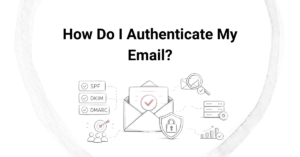
Authentication protocols play a crucial role in reputation scoring. Proper SPF, DKIM, and DMARC implementation signals to ISPs that you’re a legitimate sender. Missing or misconfigured authentication can immediately damage your reputation and trigger spam filtering.
Bounce rates significantly impact reputation, particularly hard bounces from invalid email addresses. High bounce rates suggest poor list hygiene and can quickly deteriorate your standing with ISPs. Similarly, spam complaint rates above 0.1% indicate that recipients don’t want your emails, leading to reputation damage.
Sending patterns and volume consistency also influence reputation. Sudden spikes in email volume, irregular sending schedules, or dramatic changes in content can trigger ISP scrutiny. List quality metrics, including the presence of spam traps and inactive addresses, directly correlate with reputation scores across all major email providers.
How do you monitor your sender reputation effectively?
Effective sender reputation monitoring requires using multiple tools and checking various metrics regularly. Reputation monitoring tools like Sender Score, Google Postmaster Tools, and Microsoft SNDS provide direct insights into how ISPs view your sending reputation.
Regular blacklist monitoring is essential for maintaining a good reputation. Tools like MXToolbox and MultiRBL check whether your IP addresses or domains appear on spam blacklists. Being listed on major blacklists can severely impact deliverability and requires immediate attention.
Authentication status monitoring ensures your SPF, DKIM, and DMARC records function correctly. Email authentication testing tools help identify configuration issues before they affect your reputation. Many ISPs provide feedback loops that alert you to spam complaints, allowing you to address issues promptly.
Deliverability metrics provide early warning signs of reputation problems. Monitoring inbox placement rates, bounce rates, and engagement metrics helps identify reputation issues before they significantly impact campaign performance. Professional deliverability assurance packages often include comprehensive reputation monitoring and alert systems.
What are the most common causes of poor sender reputation?
Poor list hygiene is the most frequent cause of sender reputation damage. Sending to invalid email addresses, inactive subscribers, and purchased lists generates high bounce rates and low engagement, signaling poor sending practices to ISPs.
Inadequate email authentication configuration often triggers reputation problems. Missing SPF records, unsigned DKIM, or misconfigured DMARC policies make your emails appear suspicious to ISPs. These authentication failures can result in immediate spam filtering or blocking.
Inconsistent sending patterns confuse ISP algorithms and can damage reputation. Irregular send volumes, sporadic sending schedules, or sudden changes in email frequency appear suspicious and may trigger spam filters. ISPs prefer predictable, consistent sending behavior from legitimate senders.
High spam complaint rates above industry benchmarks indicate that recipients don’t want your emails. This often results from inadequate permission practices, misleading subject lines, or failure to honor unsubscribe requests promptly. Hitting spam traps, which are email addresses specifically designed to catch poor sending practices, immediately damages reputation across multiple ISPs.
How do you improve a damaged sender reputation?
Reputation recovery requires a systematic approach starting with comprehensive list cleaning. Remove invalid email addresses, inactive subscribers, and any addresses that haven’t engaged recently. List segmentation helps you focus on engaged subscribers while gradually re-engaging inactive ones.
Implement proper authentication protocols immediately if they’re missing or misconfigured. Set up SPF, DKIM, and DMARC records correctly to establish legitimacy with ISPs. This foundational step is essential before attempting other reputation improvement strategies.
Gradual volume ramping helps rebuild trust with ISPs. Start with small sends to your most engaged subscribers, then gradually increase volume as engagement metrics improve. This process, called IP warming, can take several weeks but is crucial for reputation recovery.
Focus on engagement improvement through better content, optimal send times, and relevant messaging. Higher engagement rates signal to ISPs that recipients value your emails. Timelines for reputation repair typically range from 4–12 weeks, depending on the severity of previous reputation damage and the consistency of improvement efforts.
How Email Industries helps with sender reputation management
Email Industries provides comprehensive sender reputation management through our advanced technology and expert consulting services. Our approach combines proactive monitoring with strategic reputation protection to ensure optimal inbox delivery for your campaigns.
Our services include:
- Alfred email validation – Advanced threat detection and list cleaning to prevent reputation damage from invalid addresses and spam traps
- Blackbox risk scoring technology – Industry-leading reputation monitoring that identifies potential issues before they impact deliverability
- Authentication setup and optimization – Complete SPF, DKIM, and DMARC implementation to establish sender legitimacy
- Ongoing reputation monitoring – Continuous tracking of reputation metrics across all major ISPs with proactive alerting
- Deliverability consulting – Expert guidance on reputation recovery strategies and best practices
Our proven reputation management solutions help protect your email marketing investment and ensure consistent inbox placement. To learn how we can safeguard your sender reputation and improve your email deliverability, please contact our team of email deliverability experts today.
Related Articles
- What is BIMI and how does it work in email?
- How does DKIM work with DMARC to stop email spoofing?
- How does DKIM signing work in email authentication?
- What services are included in full service email marketing?
- Should you hire an expert for an email platform migration?
- What happens to your suppression lists during an email platform migration?
- How do you recover a domain reputation after poor warmup?
- How do you start a domain warmup process?
- What is a dedicated IP address and why does it need warming?
- How long does a domain warmup take?
- How do email marketing services agencies handle client data security?
- What is email campaign management?
- How do agencies handle domain reputation management?
- How do delivery agencies handle international email regulations?
- When should startups hire an email deliverability agency?