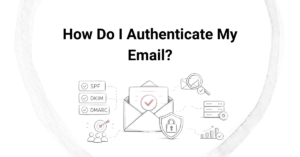

Email deliverability agencies provide comprehensive DNS configuration services to ensure proper email authentication and maximize inbox placement. They assess current DNS setups, identify authentication gaps, and implement critical records like SPF, DKIM, and DMARC. These technical configurations serve as the foundation for email authentication, directly impacting sender reputation and deliverability success rates across all major email providers.
What exactly do email deliverability agencies do with DNS configuration?
Email deliverability agencies conduct thorough DNS audits to evaluate existing authentication records and identify gaps that could harm inbox placement. They implement proper SPF (Sender Policy Framework), DKIM (DomainKeys Identified Mail), and DMARC (Domain-based Message Authentication, Reporting & Conformance) records to establish sender legitimacy and protect against spoofing attacks.
The process begins with a comprehensive assessment of your current DNS infrastructure. Agencies examine existing authentication records, check for syntax errors, and evaluate policy configurations across all sending domains. They identify missing or misconfigured records that could trigger spam filters or cause authentication failures.
Implementation involves creating properly formatted authentication records tailored to your specific sending infrastructure. This includes configuring SPF records to authorize legitimate sending sources, setting up DKIM signatures for message integrity verification, and establishing DMARC policies that instruct receiving servers how to handle unauthenticated messages. The agency ensures all records work harmoniously together while maintaining security standards.
Ongoing monitoring forms a crucial part of DNS management. Agencies track authentication performance, monitor for policy violations, and adjust configurations as your email infrastructure evolves. This proactive approach prevents deliverability issues before they impact your email campaigns and sender reputation.
Why is proper DNS setup so critical for email deliverability success?
DNS records serve as the authentication foundation that proves your legitimacy to receiving email servers. Without proper authentication, your emails appear suspicious to spam filters and may be rejected or routed to junk folders regardless of content quality.
Email providers like Gmail, Outlook, and Yahoo rely heavily on authentication signals when making filtering decisions. They check SPF records to verify sending authorization, validate DKIM signatures to ensure message integrity, and consult DMARC policies to determine how to handle authentication failures. Missing or misconfigured records create immediate red flags that harm deliverability.
Sender reputation depends significantly on consistent authentication success. Each authentication failure contributes to a negative reputation score that affects future email delivery. Proper DNS setup ensures your emails consistently pass authentication checks, building trust with receiving servers and improving long-term deliverability performance.
The impact extends beyond basic delivery to inbox placement and engagement rates. Authenticated emails are more likely to reach primary inboxes rather than promotional tabs or spam folders. This improved placement leads to higher open rates, better engagement metrics, and stronger overall campaign performance that reinforces positive sender reputation.
How do agencies handle complex DNS authentication across multiple domains?
Agencies manage multi-domain authentication through strategic record placement and careful policy coordination across parent domains, subdomains, and third-party sending services. They create comprehensive authentication frameworks that maintain security while ensuring all legitimate sending sources are properly authorized.
The approach varies depending on your domain structure and sending requirements. For organizations using multiple subdomains, agencies implement SPF records that include all necessary sending sources while staying within DNS lookup limits. They may use SPF flattening techniques to reduce DNS queries and prevent authentication failures caused by exceeding lookup restrictions.
DKIM implementation across multiple domains requires careful key management and selector organization. Agencies establish unique DKIM signatures for different domains or sending services, ensuring each has proper cryptographic verification without conflicts. They coordinate with email service providers to implement keys correctly across all platforms.
DMARC policies require particular attention in multi-domain environments. Agencies configure policies that account for legitimate sending from various sources while maintaining protection against spoofing. They may implement different policy levels for different domains based on risk tolerance and business requirements, ensuring comprehensive coverage without blocking legitimate email.
For businesses seeking professional guidance on complex authentication setups, deliverability assurance packages provide comprehensive support for multi-domain environments.
What common DNS mistakes do agencies fix for their clients?
The most frequent DNS errors include missing SPF records, incorrect DKIM configurations, and overly restrictive or permissive DMARC policies. These mistakes often stem from incomplete implementations, outdated configurations, or a lack of coordination between different email sending services.
Missing or incomplete SPF records represent a critical vulnerability that agencies address immediately. Many organizations forget to include all legitimate sending sources in their SPF records, causing authentication failures for emails sent through overlooked services or third-party platforms. Agencies conduct thorough audits to identify all sending sources and create comprehensive SPF records.
DKIM signature problems frequently occur when organizations change email service providers without updating DNS records. Outdated DKIM keys, incorrect selectors, or missing public keys cause signature verification failures. Agencies identify these discrepancies and implement proper DKIM configurations that match the current sending infrastructure.
DMARC policy misconfigurations create significant deliverability challenges. Common issues include setting overly strict policies without proper testing, failing to configure reporting addresses, or implementing conflicting policies across subdomains. Agencies establish appropriate DMARC policies that balance security with deliverability, often starting with monitoring modes before implementing enforcement.
Syntax errors in DNS records cause immediate authentication failures that agencies quickly resolve. These include formatting mistakes, incorrect mechanisms in SPF records, malformed DKIM keys, or invalid DMARC tags. Proper syntax validation ensures all records function correctly and provide the intended authentication benefits.
How Email Industries helps with technical DNS setup and email authentication
Email Industries provides comprehensive DNS configuration and authentication services designed to optimize deliverability performance for businesses across all industries. Our expert team handles the complete technical implementation process, from initial assessment through ongoing monitoring and maintenance.
Our DNS setup services include:
- Complete authentication audit and gap analysis
- SPF, DKIM, and DMARC record implementation and optimization
- Multi-domain authentication strategy development
- Ongoing monitoring and policy adjustment
- Authentication performance reporting and analysis
We work closely with your technical team to ensure seamless implementation without disrupting existing email operations. Our approach includes thorough testing phases and gradual policy enforcement to maintain deliverability while building robust authentication frameworks. Whether you’re managing a single domain or a complex multi-domain environment, we provide the expertise needed to maximize your email authentication success and protect your sender reputation for long-term deliverability excellence.
Related Articles
- How do email advertising agencies differ from general marketing firms?
- What factors affect full service email marketing pricing?
- Why do emails go to spam after migrating to a new platform?
- What is the role of domain age in email deliverability?
- How do you monitor domain warmup progress effectively?
- How many IPs do you need to warm up for a large email program?
- How often do full service agencies provide performance reports?
- What customer lifecycle emails do ecommerce agencies create?
- What post-purchase email sequences do ecommerce agencies recommend?
- What are transactional emails for ecommerce?
- What is ecommerce email automation?
- How do you evaluate email marketing agency performance?
- How long does it take to improve email deliverability?
- How do agencies remove domains from spam blacklists?
- What services do email deliverability agencies provide?