Transactional emails are automated messages triggered by specific customer actions or events during the e-commerce experience. Unlike marketing emails, which promote products or services, transactional emails provide essential information about purchases, account activity, or service updates. They include order confirmations, shipping notifications, password resets, and receipts that customers expect to receive immediately after taking action.
What are transactional emails, and how do they differ from marketing emails?
Transactional emails are automated messages sent in response to specific customer actions, providing essential information about transactions or account activity. Marketing emails, by contrast, are promotional messages designed to drive sales, announce offers, or nurture customer relationships through ongoing campaigns.
The fundamental difference lies in purpose and timing. Transactional emails serve a functional role, delivering information customers need about their purchases, account status, or service updates. They’re triggered by user behaviour and contain personalised details about specific transactions. Marketing emails focus on persuasion and engagement, promoting products, sharing company news, or maintaining brand awareness through scheduled campaigns.
Legal requirements also distinguish these email types. Transactional emails don’t require explicit consent under most regulations because they fulfil necessary business functions. Marketing emails typically require opt-in consent and must include clear unsubscribe options. This difference affects how businesses collect email addresses and manage subscriber lists.
Technical characteristics vary between these email types as well. Transactional emails usually achieve higher deliverability rates because recipients expect them and rarely mark them as spam. They’re often sent from dedicated IP addresses and authenticated domains to ensure reliable delivery of critical customer information.
What types of transactional emails do e-commerce businesses need to send?
E-commerce businesses require several essential types of transactional emails to provide complete customer service and maintain professional operations. These emails cover the entire customer journey, from account creation through post-purchase support and ongoing account management.
Order-related emails form the foundation of e-commerce communication. Order confirmation emails verify purchase details immediately after checkout, providing customers with proof of their transaction and expected delivery information. Shipping notifications inform customers when orders leave the warehouse, including tracking numbers and carrier details. Delivery confirmation emails notify customers when packages arrive, often requesting feedback or reviews.
Account management emails support customer relationships and security. Welcome emails greet new customers after registration, often including account setup instructions or first-purchase incentives. Password reset emails provide secure links for customers to regain account access. Account notification emails inform customers about profile changes, security updates, or subscription modifications.
Payment-related communications ensure financial transparency. Receipt emails provide detailed purchase records for customers’ files and potential returns. Payment failure notifications alert customers to declined transactions or expired payment methods. Refund confirmation emails document returned payments and processing timelines.
Additional transactional emails support specific business needs. Abandoned cart emails remind customers about incomplete purchases, though these sometimes blur the line between transactional and marketing communications. Subscription renewal notices inform customers about upcoming charges or service changes.
Why do transactional emails have better deliverability than marketing emails?
Transactional emails achieve superior deliverability rates because recipients expect them, engage with them regularly, and rarely report them as spam. Internet service providers recognise these engagement patterns and treat transactional emails more favourably than promotional messages.
Customer expectations drive much of this deliverability advantage. When someone makes a purchase or creates an account, they anticipate receiving confirmation emails immediately. This expectation leads to higher open rates, fewer spam complaints, and positive engagement signals that improve sender reputation over time.
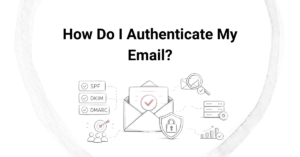
Authentication requirements for transactional emails are typically more stringent, contributing to better deliverability. Businesses often configure dedicated IP addresses and implement robust authentication protocols such as SPF, DKIM, and DMARC for these critical communications. This technical foundation helps emails reach inboxes consistently.
ISP treatment differs significantly between transactional and marketing emails. Many email providers use separate filtering systems that recognise transactional email patterns and prioritise their delivery. The personalised, relevant content in transactional emails also aligns with ISP preferences for valuable subscriber communication.
Engagement patterns reinforce deliverability advantages. Recipients regularly open transactional emails to access important information, creating a positive engagement history. They’re less likely to unsubscribe from transactional emails because they provide necessary service information rather than optional promotional content.
What are the legal requirements for e-commerce transactional emails?
Transactional emails have different legal requirements from marketing emails, though they must still comply with relevant regulations, including the CAN-SPAM Act, the GDPR, and other regional privacy laws. These requirements focus on transparency, accurate identification, and respect for recipient privacy.
Under the CAN-SPAM Act, transactional emails must include accurate sender identification and a valid physical address. However, they’re exempt from certain requirements that apply to commercial messages, such as including unsubscribe links for purely transactional content. The key distinction is that transactional emails must facilitate already agreed-upon transactions or provide account-related information.
GDPR implications affect how businesses collect and process email addresses for transactional purposes. While explicit consent isn’t required for transactional emails, businesses must have a legitimate interest or contractual necessity to send them. Customers retain the right to access, modify, or delete their personal data used in transactional communications.
Required sender information must appear clearly in all transactional emails. This includes the business name, physical address, and contact information. The subject line must accurately reflect the email content without deceptive or misleading language.
Opt-out regulations create nuanced requirements for transactional emails. Purely transactional content doesn’t require unsubscribe options, but emails that combine transactional and promotional content must include them. Many businesses choose to include unsubscribe options in all emails to ensure compliance and maintain customer trust.
Data protection requirements mandate secure handling of customer information in transactional emails. Businesses must implement appropriate technical and organisational measures to protect personal data and prevent unauthorised access to sensitive transaction details.
How do you optimise transactional emails for a better customer experience?
Optimising transactional emails improves customer satisfaction and creates opportunities for additional engagement without compromising their primary informational purpose. Effective optimisation focuses on clarity, mobile responsiveness, branded design, and strategic content inclusion.
Clear subject lines help customers identify and organise important emails quickly. Use specific, descriptive language that immediately communicates the email’s purpose, such as “Your Order #12345 Has Shipped,” rather than generic phrases like “Order Update.” Include relevant details such as order numbers or account information when helpful.
Mobile optimisation ensures emails display correctly across all devices. Most customers check email on mobile devices, so responsive design is essential for transactional communications. Use single-column layouts, large fonts, and touch-friendly buttons to improve mobile readability and functionality.
Branded design creates professional, trustworthy communications that reinforce brand recognition. Include company logos, consistent colour schemes, and professional formatting while maintaining focus on the essential information. Avoid cluttered designs that distract from important transaction details.
Useful content inclusion enhances email value beyond basic transaction information. Add relevant details such as estimated delivery dates, return policies, customer service contact information, or helpful tips related to purchases. Ensure additional content supports, rather than overshadows, the primary message.
Strategic cross-selling opportunities can appear in transactional emails when implemented thoughtfully. Include subtle product recommendations or related services that genuinely benefit customers without overwhelming the main content. Many e-commerce businesses learn more about deliverability assurance packages to ensure these enhanced emails reach customer inboxes consistently.
How Email Industries helps with transactional email deliverability
Email Industries provides comprehensive solutions for optimising transactional email deliverability through advanced verification technology, authentication services, and expert consulting. Our specialised approach ensures critical customer communications reach inboxes reliably while maintaining sender reputation for long-term success.
Our transactional email optimisation services include:
- Alfred email verification – An advanced threat detection and validation service that identifies risky email addresses before they impact sender reputation
- Authentication services – Complete SPF, DKIM, and DMARC implementation to establish a trusted sender identity
- Deliverability consulting – Expert guidance on best practices for transactional email configuration and monitoring
- BlackBox technology – An industry-leading risk-scoring system trusted by major ESPs to protect sender reputation
- Ongoing monitoring – Continuous oversight of deliverability metrics and proactive issue resolution
As an e-commerce email marketing agency with over two decades of experience, we understand the critical importance of reliable transactional email delivery for customer satisfaction and business operations. Our proven solutions help businesses maintain an excellent sender reputation while ensuring customers receive essential transaction information promptly. Contact our team to discuss how we can optimise your transactional email deliverability and protect your customer communication channels.
Related Articles
- What expertise should a full service email marketing agency have?
- What authentication records do you need before domain warmup?
- Should you warm up a new domain before sending bulk email?
- How does domain warmup work for email senders?
- When should you pause your IP warming schedule?
- What types of emails should you send first during IP warming?
- How many IPs do you need to warm up for a large email program?
- What email strategies work best for ecommerce stores?
- What is email marketing ROI measurement?
- How do agencies create email opt-in forms?
- How do agencies segment email subscriber lists?
- How do agencies develop annual email marketing plans?
- Which industries benefit most from email deliverability agencies?
- How often should you monitor email delivery performance?
- Can an email agency improve your sender reputation?